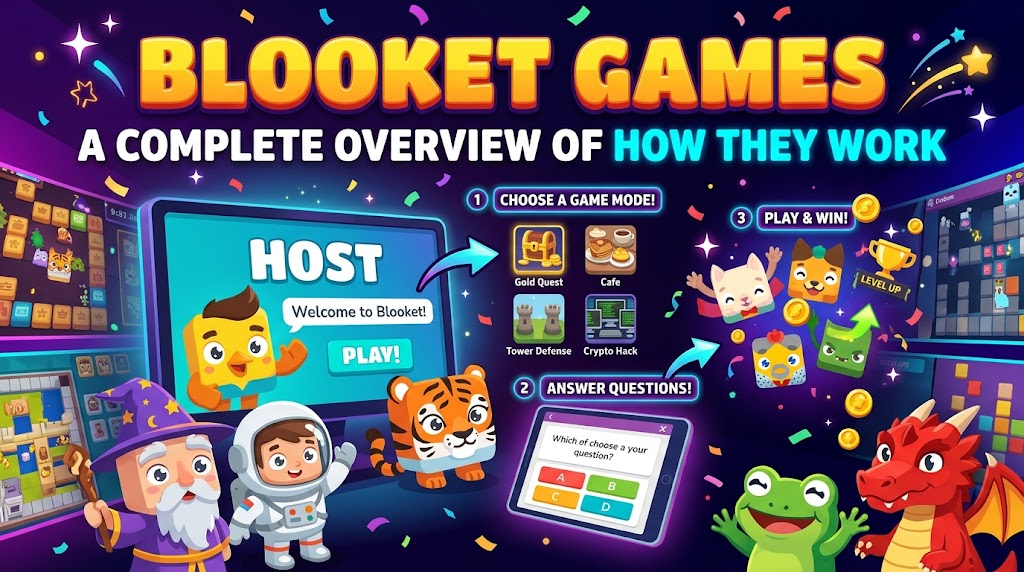
Blooket Games: A Complete Overview of How They Work
Blooket games turn a plain set of review questions into something students actually choose to play. The questions themselves rarely change from a normal quiz. The way they get delivered does though, wrapped inside dozens of different formats built around strategy, speed, or simple collecting.
This overview covers the different ways Blooket games can be played. It covers the broad categories of game types available, and how to join or host one. It also covers who these games actually work best for.
What Makes Blooket Games Different From a Normal Quiz
A standard online quiz shows one question after another with no real structure around it. Blooket games add a layer on top of that. Correct answers earn points, currency, or progress inside whatever game is running, and that progress is what keeps students engaged well past the first few questions.
The Same Questions, Many Different Games
One of the most useful things about Blooket games is that a single question set can power dozens of different formats. A teacher does not need to rebuild content for each game. The same vocabulary list or math set can run as a calm shop simulation one day. It can run as a fast paced race the next.
The Three Ways to Play Blooket Games
Every Blooket game falls into one of three broad categories. Knowing the difference matters more than picking the right theme.
| Way to play | Who is involved | Best for |
| Live hosted games | A host plus a full class | In class review and warm ups |
| Homework games | Individual students, teacher assigned | Take home practice with a deadline |
| Solo games | One student, self directed | Independent study anytime |
Live Hosted Games
A teacher or host starts the game, shares a short code, and the whole class plays together in real time. This is the format most people picture when they think of Blooket games. It works well for warm ups, review days, and quick formative checks.
Homework Games
A teacher can assign a set for students to complete on their own time, often with a deadline attached. Progress and results get tracked the same way a live game would. That makes this a solid option for flipped classrooms or students who were absent.
Solo Games
Some games can be played entirely alone, with no host or class involved at all. This works well for independent study, and it lets a student revisit the same material whenever they want without waiting for a class session.
The Broad Categories of Blooket Games
With dozens of formats available, it helps to think in categories. Trying to learn every single one right away is not necessary.
Fast Paced and Competitive Games
These reward quick, accurate answers and often include direct competition between players. They work well for energetic classes and quick recall practice, though the pace can feel intense for slower answerers.
Calm and Low Pressure Games
These strip out elimination and live leaderboards, focusing instead on a steady, repeatable loop. They tend to work best for mixed ability classes or students who disengage under time pressure.
Strategy Focused Games
These add a management or planning layer on top of the question and answer loop. Players make decisions about resources, defenses, or upgrades. They suit longer sessions where deeper engagement matters more than speed.
Luck Based Games
A handful of games mix correct answers with an element of chance, like a random reward pull. These tend to keep trailing players engaged until the very end, since a lucky moment can shift the standings quickly.
How to Join a Blooket Game
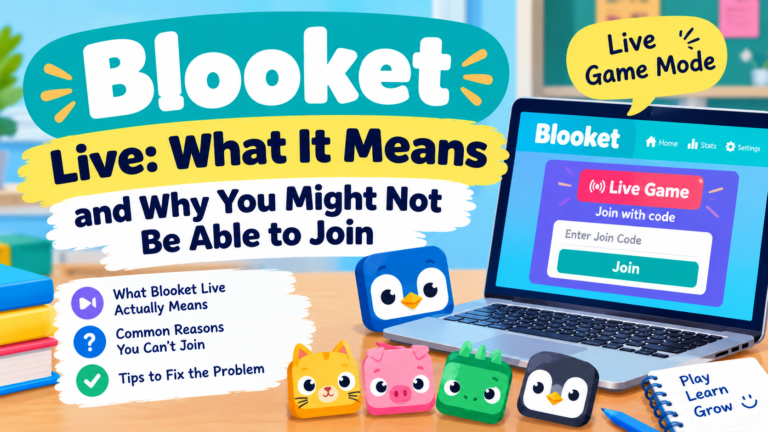
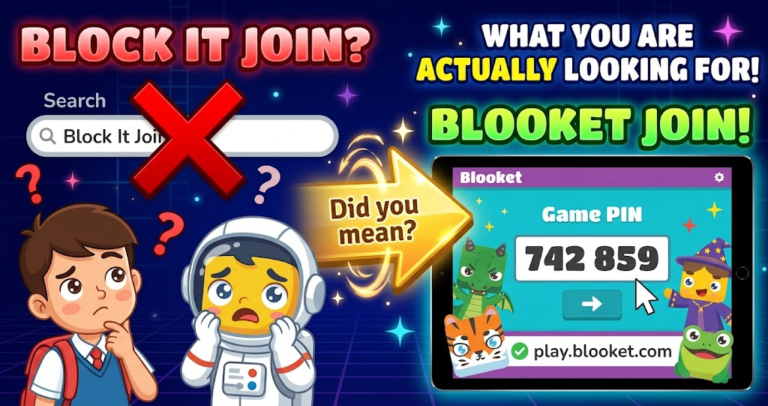
Joining any live or homework game only takes a code and a nickname. No account or download is required.
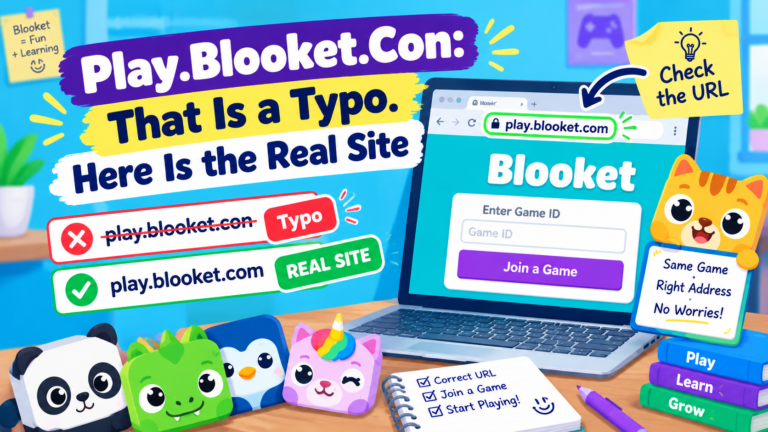
- Go to the official Blooket play page in a browser.
- Enter the game code shared by the host.
- Pick a nickname the host will recognize.
- Wait for the game to start, or begin immediately for homework and solo play.
How to Host a Blooket Game
Hosting takes a free account and just a few extra steps.
- Log into a Blooket account and open or build a question set.
- Click Host and choose a game type from the list.
- Pick live, homework, or solo depending on the situation.
- Review the settings, then share the code with your group.
Who Blooket Games Are Actually Built For
Blooket games are used mainly in kindergarten through twelfth grade classrooms, though the range stretches further in practice. Younger students tend to gravitate toward calmer, low pressure formats. Older students often enjoy the added strategy or competition found in faster paced games. Teachers use them for review, warm ups, and homework. Some students revisit sets entirely on their own for extra practice too.
Getting the Most Out of Blooket Games
A few small habits make the difference between a session that fizzles and one that really lands with a class.
- Match the game type to the moment, a calm format for a mixed ability class, a faster one for a group that thrives on competition.
- Keep question sets focused and reasonably sized, so the pacing of the game stays smooth from start to finish.
- Rotate through a few different games across the week instead of defaulting to the same one every time.
- Check the post game report after each session to catch what students missed, separate from how the game itself felt.
A Quick Note on Safety
Because Blooket games are popular, they also attract sites and tools claiming to offer shortcuts, free currency, or automatic wins. None of these are connected to Blooket, and most carry a real risk to an account or a device. Sticking to the official site and normal gameplay is the only reliable way to actually get more out of these games over time.
Frequently Asked Questions
Are Blooket games free to play?
Yes. The core library of Blooket games is available on a free account, with a paid tier adding a handful of extra formats and features.
Do students need an account to play Blooket games?
No. Students only need a game code and a nickname to join a live or homework game. An account is only needed to host or build question sets.
How many Blooket games are there?
The exact count changes over time as new formats get added and older ones retired. The library sits well above twenty games between free and paid options.
Can the same question set be used across different games?
Yes. Any question set can power nearly every available game type without needing to be rebuilt.
Which Blooket games work best for younger students?
Calmer, low pressure formats with no elimination tend to suit younger or more anxious players best. Older students often prefer faster or more strategic options.
Final Thoughts
Blooket games succeed by giving the same review content dozens of different personalities, from calm and steady to fast and competitive. Picking the right format for the moment matters more than trying every option at once. Once the basics of joining and hosting are second nature, switching between game types becomes an easy way to keep review from ever feeling repetitive.